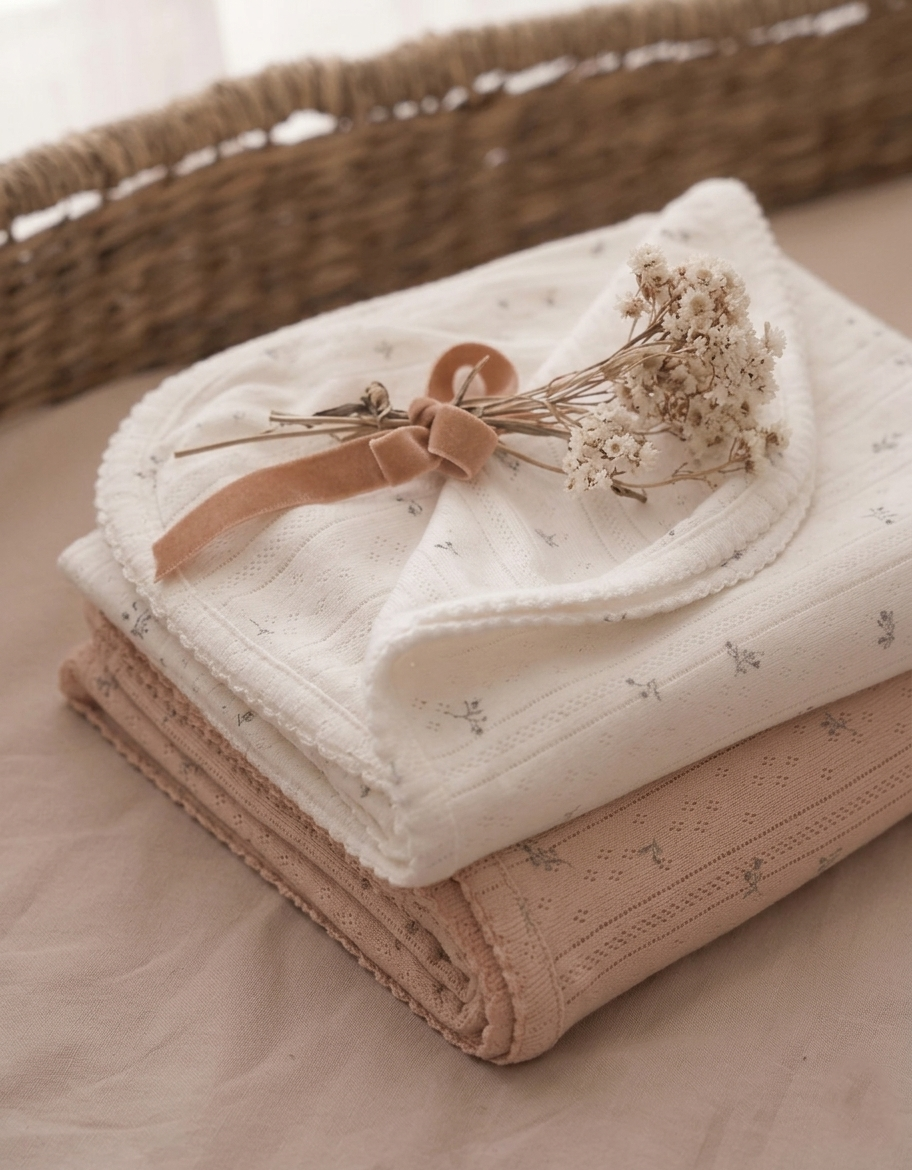
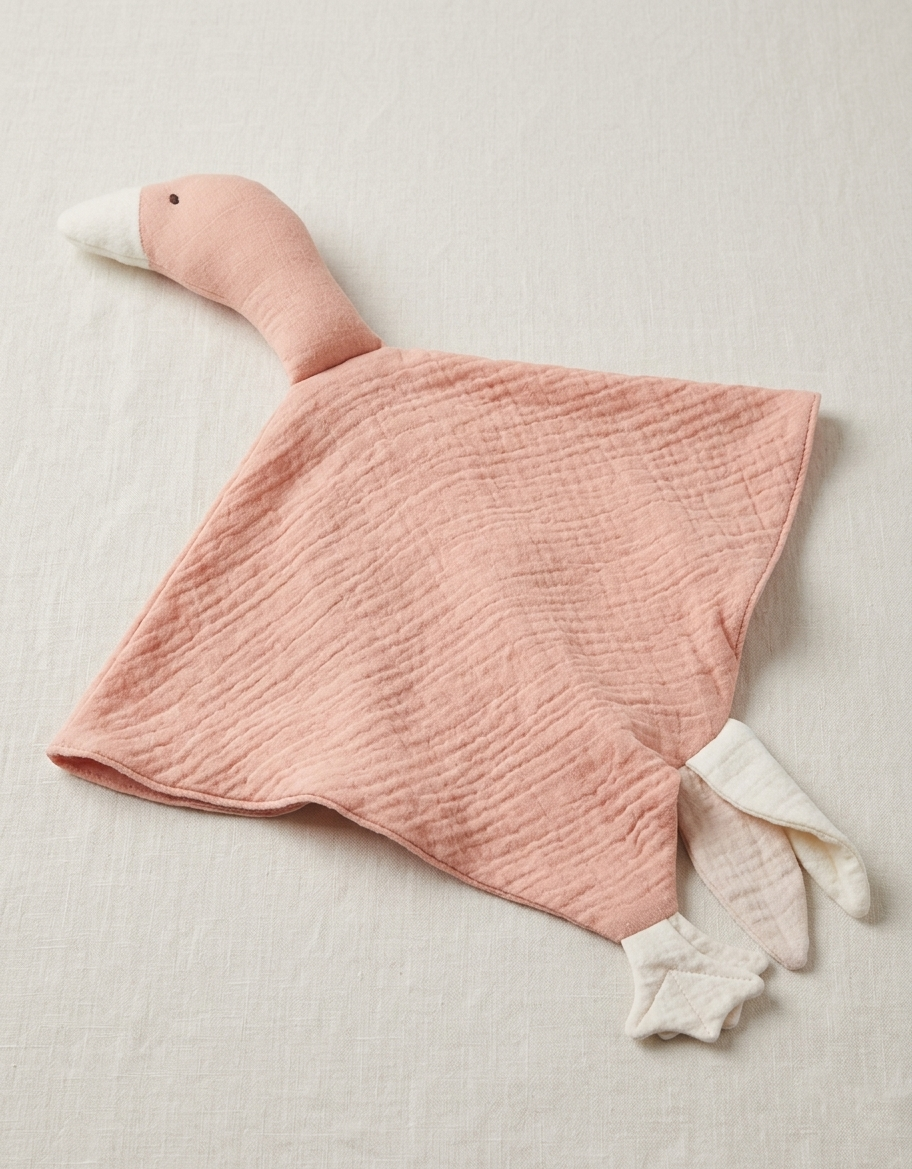
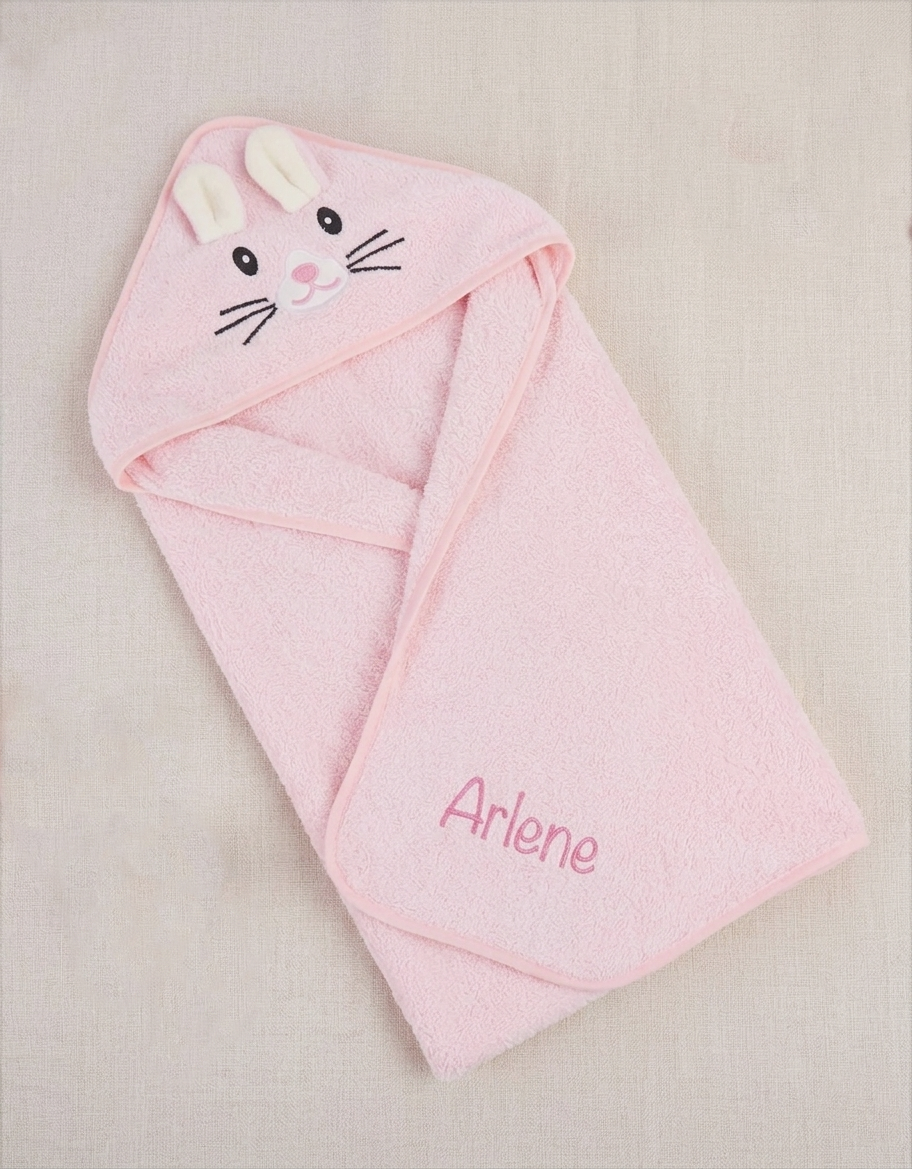
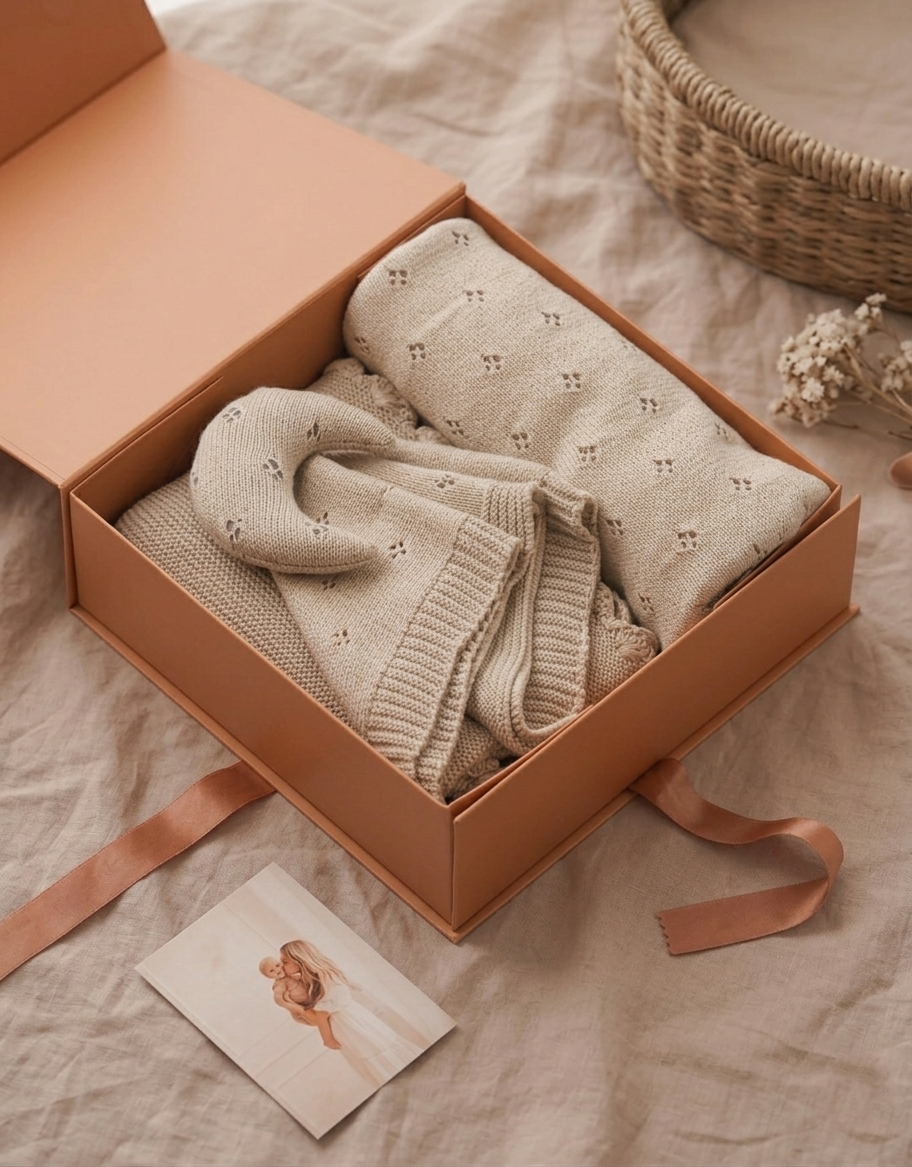
Opting for organic cotton is fundamentally about its ultimate care for human health and profound responsibility to the Earth's ecology. This is not just an upgrade in fabric but a lifestyle choice that rejects chemical residues and supports sustainable agriculture, particularly suitable for individuals with sensitive skin, families with infants, and environmental advocates.
Why Choose Organic Cotton? Three Core Reasons
1.Zero chemical residue, safeguarding sensitive skin
Conventional cotton cultivation consumes approximately 25% of the world's insecticides and 10% of pesticides, with these chemicals often remaining in the final fabric, easily triggering eczema, dermatitis, or allergies. In contrast, organic cotton prohibits the use of toxic pesticides, bleaches, and synthetic dyes throughout its entire process from cultivation to textile production, opting instead for natural plant-based dyes or retaining the cotton's natural hues (such as brown, green, purple, etc.). This ensures the fabric is pure and hypoallergenic. For individuals with fragile skin barriers, this "additive-free" gentleness is essential.
2. Water Conservation and Soil Stabilization: Genuine Environmental Action
Producing a single ordinary cotton T-shirt may consume 2,700 liters of water, while organic cotton, through rainwater irrigation and soil improvement techniques, can reduce "blue water" (surface and groundwater) consumption by up to 91%. Additionally, organic farming prohibits genetically modified seeds, employs crop rotation and biological pest control to preserve soil fertility, and reduces soil acidification by 70% and soil erosion by 26%, making it an effective solution to combat climate change and land degradation.
3. Superior performance, comfort, and durability
Organic cotton fibers are typically longer and finer, endowing fabrics with excellent breathability, moisture-wicking properties, and anti-static characteristics. Especially during hot summers, organic cotton underwear can more effectively regulate body temperature, reducing stuffiness and bacterial growth. Although the initial investment cost is higher, its durability and resistance to deformation extend the garment's lifespan, making it more cost-effective in the long run.